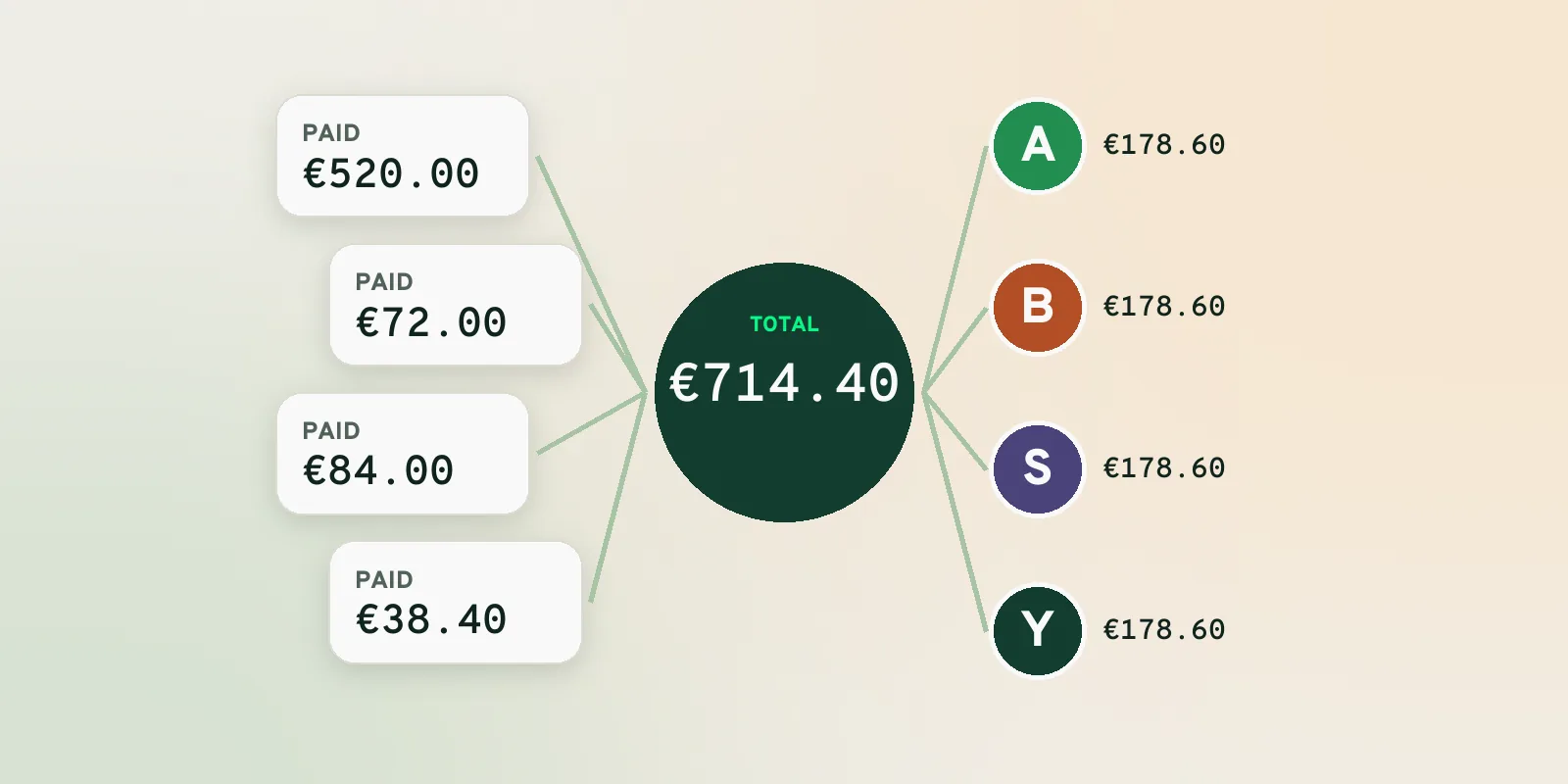
How to split expenses with friends on a trip, in short: agree on the rules before you leave, write down every shared payment as it happens (who paid, how much, and who it was for), and settle up once at the end with as few transfers as possible. That’s the whole method. The rest of this guide is about the details that cause arguments: costs that aren’t shared by everyone, payments in other currencies, and the friend who always pays and never asks for it back.
Agree on the rules before the trip
Money is easiest to talk about before anyone has spent any. Five minutes in the group chat saves an awkward evening later. Agree on:
- What’s shared. Usually accommodation, the rental car, fuel and tolls, groceries and group meals. Usually not: souvenirs, solo activities and anything one person orders just for themselves.
- How it’s split. Evenly by default, or by who took part. A day trip that only three of five people join is split three ways.
- Who pays upfront. Bigger bookings (the apartment, the car) are often paid by one person. Make sure they’re paid back early, not at the end.
- When you settle up. Within a few days of getting home is a good rule. Money left unsettled for months turns into resentment.
If the group’s budgets differ a lot, say so now. "Let’s keep dinners under €30 each" is a much easier conversation before the trip than at the table.
Three ways to split costs
There are three common ways to split costs on a trip. Pick one for the group and stick to it: the best way to split travel costs between friends is the one everybody understood before the trip.
| Method | How it works | Good for |
|---|---|---|
| Split evenly | Every shared cost is divided by the whole group | Small groups with similar budgets |
| Split by who took part | Each cost is divided only between the people it was for | Groups that do different things |
| Shared pot | Everyone puts the same amount into a kitty at the start; shared costs come out of it | Short trips with lots of small payments |
Most groups end up mixing the first two: accommodation and the car evenly, activities and meals by who was there. That’s fine, as long as every expense records who it was for.
Track every shared payment as it happens
The one habit that makes splitting travel costs painless: write each payment down when it happens, not at the end from bank statements and memory. For each expense, note:
- What it was ("Dinner in Trastevere")
- Who paid
- How much, and in which currency
- Who it was for (everyone, or just some of the group)
Keep receipts for the big items; a photo is enough. Where you write it all down is up to the group: a spreadsheet, an online calculator or an app.
Splitting costs in Excel or Google Sheets
A spreadsheet in Excel or Google Sheets is the classic way to split travel expenses with friends, and it works well for a small group. Set it up like this:
- One row per expense, with columns for date, what, paid by, amount and currency.
- One column per person, with that person’s share of each expense (the amount divided by the people it was for, 0 if they weren’t part of it).
- At the bottom, two totals per person: paid (SUMIF over the "paid by" column) and share (the sum of their column). The difference is their balance.
For splitting costs with friends in Google Sheets, share the file with everyone so each person adds their own payments on the day. The same layout works in Excel; it’s just harder to keep one copy up to date.
Online calculators and apps
If nobody wants to build a spreadsheet, a website or app to split expenses with friends online does the same job: everyone adds what they paid, and it calculates who owes whom. When comparing them, check that the app is free for everyone in the group (not only the person who sets it up), handles several currencies, lets you split a cost between only some people, and shows the fewest payments to settle. A split expenses calculator that only divides one bill evenly is fine for a dinner, but not for a whole trip. So what is the best app to split travel costs on a trip? The one everyone in your group will actually use.
Paying in other currencies
Trips abroad add a currency question. Two things are worth knowing.
Pay in the local currency. When a card terminal or cash machine abroad offers to charge you in your own currency instead of the local one, that’s called dynamic currency conversion, and the exchange rate it uses is often worse than your card’s. In the EU, a seller who offers it must tell you the charges at the time of purchase, expressed as a percentage mark-up over the latest European Central Bank rate. Choosing the local currency usually leaves the conversion to your own card, which is often cheaper.
Settle in one currency. For splitting, convert every expense into one currency, the one most of the group uses at home. Use one exchange rate source for all expenses, for example the euro reference rates the ECB publishes each working day, or the amount that actually left the payer’s account. Rates move a little from day to day; what matters is that everyone accepts the same rule.
Settle up with fewer transfers
Once the trip is over, work out each person’s balance: what they paid minus their share of everything. Positive means the group owes them; negative means they owe the group.
Here’s an example with four friends and €714.40 of shared costs, split evenly (€178.60 each):
| Person | Paid | Share | Balance |
|---|---|---|---|
| Anna | €520.00 | €178.60 | +€341.40 |
| Ben | €84.00 | €178.60 | −€94.60 |
| Sara | €0.00 | €178.60 | −€178.60 |
| You | €110.40 | €178.60 | −€68.20 |
Instead of everyone paying everyone back for each item, the three people who owe simply pay Anna: Ben €94.60, Sara €178.60, you €68.20. Three transfers settle the whole trip. With bigger groups, the same idea (people who owe pay the people who are owed, largest amounts first) keeps the number of payments close to the number of people.
Use whatever payment method the group already has, a bank transfer or a payment app, and mark each payment as settled so nobody pays twice.
Common money problems on group trips
Splitting bills with friends so that everyone pays their own share is often called going Dutch. On a trip it’s rarely that simple, because one person pays for many people at once. These are the usual sticking points:
- "I’ll just get this one." Generous, but it quietly makes the split unfair. Write it down anyway; the person can always decide not to claim it.
- The friend who never asks to be paid back. Usually the one who booked the apartment. Settle the big upfront costs first.
- Different budgets. Plan some free or cheap activities, and let people opt out of expensive ones without having to explain.
- Forgotten expenses. Fuel, parking and tolls on a road trip add up fast. Have the driver log them the same day.
- Settling too late. Agree a date before the trip ends.
- Couples in the group. How do couples split travel expenses with the rest of the group? Usually as one unit for rooms and as two people for meals and activities. Decide which before the first booking.
For the rest of the planning, from dates to who books what, see how to plan a trip with friends.
Doing it in a trip planner
A spreadsheet works, but an app built for group travel can do the tracking for everyone: each person adds what they paid, in any currency, and the app works out the balances and the fewest payments to settle. Travel Whoop does this as part of the trip plan, so the expenses sit next to the bookings and the days they belong to. Look for one that everyone in the group can use without paying, on any phone or in a browser.
Frequently asked questions
How do you split expenses with friends on a trip?
Agree on what’s shared and how it’s split before the trip, record every shared payment with who paid and who it was for, convert everything into one currency, and settle up at the end with as few transfers as possible.
Should you split travel costs evenly?
Evenly is simplest and works when everyone takes part in the same things. If people do different activities or have very different budgets, split each cost only between the people it was for.
How do you split costs in different currencies?
Pick one settlement currency and one exchange rate rule for the whole trip, convert every expense into it, and settle up in that currency.
What’s the easiest way to settle up after a group trip?
Work out each person’s balance (what they paid minus their share). The people who owe money pay the people who are owed, starting with the largest amounts. This usually takes far fewer transfers than paying back each item separately.
Is there an app to split expenses on a trip?
Yes, several expense apps for groups let everyone add what they paid, split costs between the right people and in different currencies, and show who owes whom. Some trip planners include this, so the costs sit next to the itinerary.
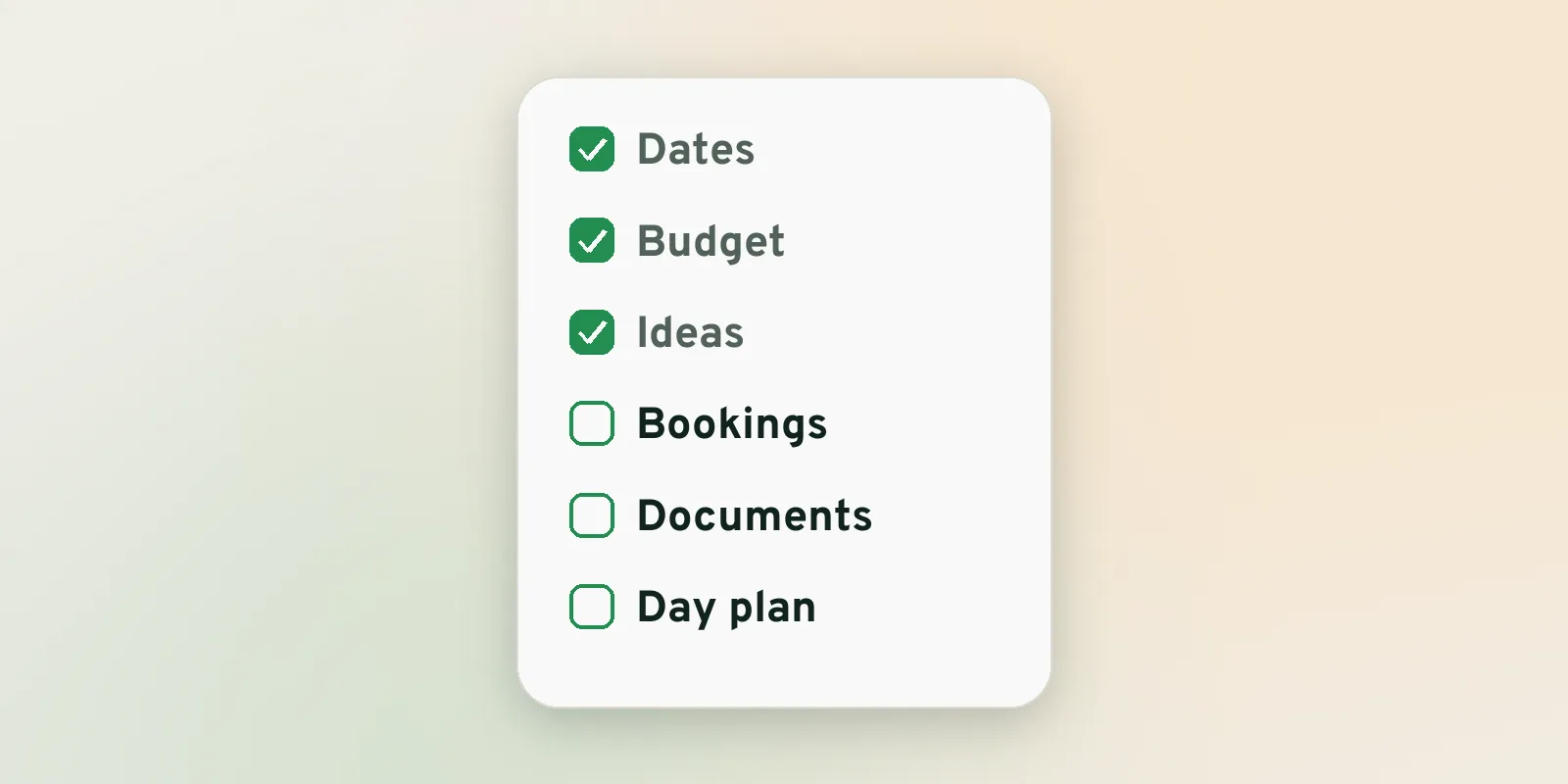 How to plan a trip with friends (without the chaos)
 How to choose a trip planner app (what really matters)
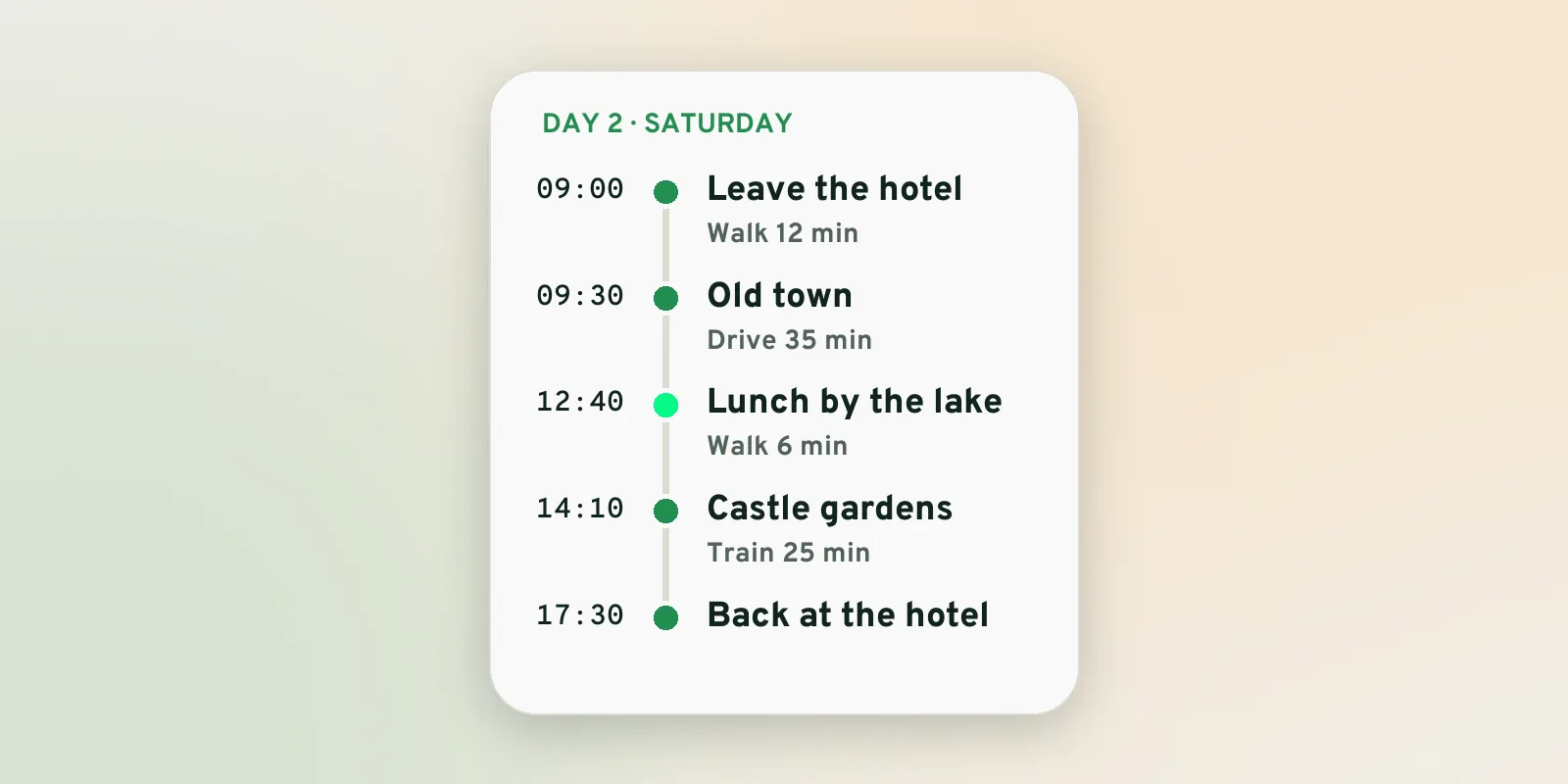 Travel itinerary template for groups and families
 Travel guideUnlock Over €100 FREE Adventures with Kufsteinerland Card in Kufsteinerland – Here’s How!
 Travel guideThe Ultimate List of 8 Things to Do in Kufstein, Austria you can’t miss
 Travel guideEkta Travelling Online Travel Insurance: A Step-by-Step Guide and Review